
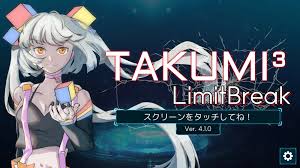
TAKUMI³
TAKUMI³, a mobile rhythm game developed by Thiqxis, has taken the music gaming community by storm with its dynamic gameplay, extensive song library, and player-focused design. Launched in 2021 and continuously updated, this notes tap game challenges players to tap falling notes in sync with diverse tracks, offering a customizable experience for both casual players and hardcore rhythm enthusiasts. Created by a small team of dedicated sound gamers, TAKUMI³ stands out for its accessibility, depth, and commitment to community feedback. This article explores the game’s origins, mechanics, appeal, and impact, revealing why it’s a must-play for rhythm game fans.

Origins and Development
TAKUMI³ was born from the passion of two Japanese rhythm gamers, Takumi Ito and YOMI, who aimed to craft a mobile music game that rivals arcade classics like Beatmania or Dance Dance Revolution. Developed under the studio name Thiqxis, the game debuted on iOS and Android in 2021, with a title pronounced “Takumi Cubic,” symbolizing its multifaceted approach to rhythm gameplay. Unlike corporate-backed titles, TAKUMI³ reflects an indie ethos, prioritizing player experience over monetization. The developers’ love for the genre shines through in the game’s meticulous design and regular updates, which introduce new songs and features based on player input.
The game’s roots lie in the vibrant rhythm game culture of Japan, where precision and customization are paramount. TAKUMI³ draws inspiration from titles like Arcaea and Cytus, blending their complexity with mobile-friendly controls. Its free-to-play model, with over 30 songs available from the start and more unlockable through gameplay, makes it accessible to a global audience. Despite its indie origins, TAKUMI³ has garnered praise for its polish, earning high ratings on app stores, though some users note optimization issues on certain devices, like the Moto Z4.
Gameplay Mechanics
TAKUMI³ is a notes tap game where players tap, hold, or slide notes as they fall along dynamic lanes, synchronized to the rhythm of the song. The game features a diverse tracklist, including high-energy electronic songs like FREEDOM DiVE by xi, Re: End of a Dream by uma vs. Morimori Atsushi, and BPM=RT by t+pazolite. Each song offers multiple difficulty levels, ranging from beginner-friendly to an extreme Level 15 for very advanced players, with some versions introducing Level 16 and a “Ravage” difficulty for the most skilled.
The gameplay revolves around precision, with judgments ranging from MISS (combo-breaking) to OK, GOOD, JUST, and the coveted Rainbow JUST, which rewards perfect timing. Players can toggle detailed feedback, like FAST/SLOW indicators, to refine their skills. The scoring system aims for a theoretical maximum of 1,000,000 points, though ranks remain consistent above 995,000. The game’s Chart Lab mode introduces experimental charts, pushing creative boundaries without standard difficulty ratings.
What sets TAKUMI³ apart is its customization. Players can adjust lane height, angle, notes skin, background, and frame color, tailoring the interface to their preferences. Speed and judgment settings further enhance accessibility, allowing beginners to slow the pace while veterans can crank up the challenge. These options reflect the developers’ understanding of rhythm game nuances, ensuring a personalized experience.
Why TAKUMI³ Captivates
TAKUMI³ excels by balancing accessibility with depth. Its free-to-play model, with no paywalls for core content, invites newcomers, while the high-difficulty charts and competitive online mode appeal to seasoned players. The game’s song library, spanning genres like electronic, J-pop, and experimental tracks, keeps sessions fresh. Regular updates, such as new songs like Dead AND Alive! or Boss 「タマヤ」, demonstrate the developers’ responsiveness to community feedback, fostering loyalty.
The visual design—clean, low-poly aesthetics with customizable lanes—complements the audio, creating an immersive experience. Sound effects and note-hit animations provide satisfying feedback, enhancing the rhythm game loop. However, some players report performance issues, like crashes on specific charts, which the developers are addressing through updates. The game’s online multiplayer mode, where players compete for high scores, adds a social layer, though localization bugs (e.g., in Vietnamese) can disrupt the experience.
TAKUMI³’s replayability stems from its difficulty scaling and unlockable content. The DAN TRIAL mode challenges players to clear song sets for ranks, mimicking arcade-style progression. This, combined with the game’s portability on iOS (13.0+) and Android, makes it ideal for quick sessions or marathon play.
Educational and Cognitive Benefits
TAKUMI³ offers more than entertainment, sharpening hand-eye coordination, reaction time, and pattern recognition. The need to sync taps with complex rhythms hones motor skills, while higher difficulties demand strategic planning to maintain combos. For younger players, the game indirectly teaches focus and perseverance, as mastering Level 15 charts requires practice and precision. In educational settings, rhythm games like TAKUMI³ can engage students in music appreciation or timing exercises, though its advanced charts are best suited for older children or teens.
The game also fosters community engagement. Players share strategies on forums and social platforms, building a global fanbase. The developers’ openness to feedback encourages a collaborative spirit, rare in larger studios. This interaction teaches players to articulate critiques constructively, a valuable soft skill.
Cultural Impact and Community
TAKUMI³ has carved a niche in the rhythm game community, particularly among fans of Japanese music games. Its presence on platforms like Qoo-App and NamuWiki highlights its growing popularity, with players praising its challenging charts and diverse tracks. Social media buzz, including posts on X, underscores its appeal, with fans sharing high scores or requesting new songs. The game’s indie status and small dev team—Takumi Ito and YOMI—add a personal touch, resonating with players who value authenticity.
While not as mainstream as * osu!* or Muse Dash, TAKUMI³ has sparked discussions about mobile rhythm games’ potential to rival arcade experiences. Its fan-driven localization efforts, though slow, reflect a dedicated community willing to contribute to its growth. However, issues like locked songs post-update or device-specific crashes have drawn criticism, which the developers actively address.

Conclusion
TAKUMI³ is a testament to the power of passion-driven game development. Its blend of rhythm gameplay, customization, and community focus makes it a standout in the crowded mobile gaming market. By offering a robust free-to-play experience with challenging mechanics and a vibrant song library, it appeals to both casual players and rhythm game veterans. Despite minor technical hiccups, TAKUMI³ continues to evolve, driven by its creators’ love for the genre and their commitment to players. For anyone seeking a mobile music game that tests reflexes and rewards dedication, TAKUMI³ is a rhythmic masterpiece worth tapping into.