
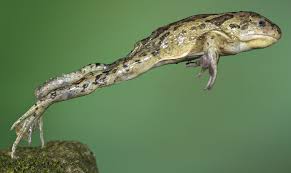
Jumping frog
Jumping frog games have hopped their way into the hearts of gamers and casual players alike, offering a delightful blend of simplicity, strategy, and fun. These games, inspired by the playful leap of a frog, have evolved from traditional board games to vibrant digital experiences. Whether you’re a fan of classic puzzles or modern mobile apps, jumping frog games provide endless entertainment for all ages. This article explores the history, mechanics, and appeal of these captivating games, diving into why they remain a beloved pastime.

A Brief History of Jumping Frog Games
The origins of jumping frog games can be traced back to traditional puzzle games like the “Toads and Frogs” puzzle, a classic logic game from the 19th century. In this game, players move pieces (representing frogs or toads) across a board by jumping over one another to reach a designated goal. The puzzle’s simple rules and challenging strategy made it a favorite among mathematicians and recreational players. Over time, this concept inspired various adaptations, from physical board games to digital versions on computers and smartphones.
In the digital era, jumping frog games gained popularity with titles like Frogger (1981), an arcade classic where players guide a frog across a busy road and river. This game introduced the jumping mechanic to a broader audience, blending quick reflexes with strategic timing. Today, jumping frog games encompass a wide range of genres, including puzzle games, arcade adventures, and even educational apps that teach problem-solving skills.
Core Mechanics of Jumping Frog Games
At their core, jumping frog games revolve around a few key mechanics that make them engaging and accessible:
- Jumping Mechanic: The hallmark of these games is the frog’s ability to leap over obstacles or other pieces. In puzzle-based games, players must strategically jump one frog over another to clear a path or reach a goal. In arcade-style games like Frogger, the jumping mechanic involves navigating hazards like cars or logs.
- Simple Rules, Deep Strategy: Many jumping frog games have straightforward rules but require careful planning. For example, in the Toads and Frogs puzzle, players must think several moves ahead to avoid getting stuck, much like a game of chess.
- Varied Environments: Whether it’s a lily pad-filled pond, a busy highway, or a grid-based board, jumping frog games often feature vibrant settings that enhance the experience. These environments add visual appeal and introduce unique challenges, such as moving platforms or time limits.
- Accessibility: Most jumping frog games are easy to pick up, making them suitable for players of all skill levels. Mobile apps like Frog Puzzle or Leap Frog offer intuitive controls, while still challenging players with increasingly difficult levels.
Why Jumping Frog Games Are So Popular
The enduring appeal of jumping frog games lies in their universal charm and versatility. Here are a few reasons why they continue to captivate players:
- Nostalgia: For many, games like Frogger evoke fond memories of arcade halls or early home consoles. Modern remakes and mobile versions keep the nostalgia alive while introducing the games to new generations.
- Educational Value: Jumping frog games often double as brain teasers, encouraging critical thinking and problem-solving. Games like the Toads and Frogs puzzle are used in classrooms to teach logic and sequencing, making them both fun and educational.
- Quick Play Sessions: Many jumping frog games are designed for short bursts of play, perfect for mobile gamers looking for a quick challenge during a commute or break. Levels are often bite-sized, yet satisfyingly tricky.
- Family-Friendly Fun: With colorful graphics and non-violent gameplay, jumping frog games appeal to players of all ages. Parents and children can enjoy them together, whether solving puzzles or competing for high scores.
Modern Examples and Innovations
Today’s jumping frog games have embraced technology to offer fresh takes on the classic formula. Mobile apps like Frog Puzzle challenge players to move frogs across a grid with limited moves, while games like Crossy Road modernize the Frogger concept with vibrant visuals and endless runner mechanics. Some games even incorporate augmented reality (AR), allowing players to project virtual frogs into real-world environments for an immersive experience.
Developers continue to innovate by adding multiplayer modes, leaderboards, and customization options. For instance, players can unlock new frog skins or environments, keeping the gameplay fresh. Additionally, jumping frog games often integrate social features, letting players share their progress or compete with friends on platforms like X.

The Future of Jumping Frog Games
As technology advances, jumping frog games are likely to evolve further. Virtual reality (VR) could bring a new dimension to the genre, allowing players to control a frog in a fully immersive 3D world. Meanwhile, artificial intelligence (AI) could create adaptive puzzles that adjust difficulty based on the player’s skill level, ensuring a personalized experience.
In conclusion, jumping frog games have leaped from simple puzzles to a diverse genre that continues to entertain and challenge players worldwide. Their blend of accessibility, strategy, and charm ensures they remain a timeless favorite. Whether you’re hopping across a digital pond or solving a logic puzzle, jumping frog games offer a delightful escape that’s hard to resist. So, grab your virtual frog and start jumping!