

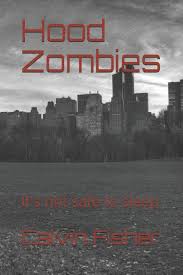
Hood Zombies
The zombie apocalypse has long been a staple of gaming, but Hood Zombies brings a fresh, urban twist to the genre. Set in the gritty streets of fictional inner-city neighborhoods, this indie game combines the relentless terror of zombie hordes with the raw energy of urban survival. Developed by a small studio aiming to capture the essence of street culture, Hood Zombies blends action, strategy, and narrative to create an immersive experience. This article explores the game’s origins, mechanics, cultural significance, and why it stands out in the crowded zombie game landscape.

Origins and Concept
Hood Zombies emerged from the indie gaming scene, inspired by classic zombie survival titles like Resident Evil and Left 4 Dead, but with a unique urban flavor. Released in the early 2020s, the game was crafted to reflect the challenges of surviving a zombie outbreak in a densely populated, resource-scarce city environment. Unlike traditional zombie games set in rural or suburban locales, Hood Zombies places players in a vibrant, chaotic urban sprawl—think abandoned bodegas, graffiti-covered alleys, and crumbling apartment blocks. The developers drew inspiration from urban cinema and hip-hop culture, infusing the game with a distinct aesthetic that resonates with players seeking something beyond generic apocalypse tropes.
The game’s narrative centers on a group of survivors—each with unique backstories rooted in their neighborhood—banding together to fend off zombies and rival factions. The story tackles themes of community, resilience, and survival, making it as much about human connections as it is about slaying the undead.
Gameplay Mechanics
Hood Zombies is a third-person action-adventure game with elements of survival and resource management. Players control one of several characters, each with distinct skills, such as lockpicking, combat expertise, or crafting. The game is set in an open-world environment where players scavenge for supplies like food, weapons, and medical kits while navigating zombie-infested streets.
- Combat: The game features fast-paced, melee-heavy combat with improvised weapons—think baseball bats, crowbars, and even modified car parts. Firearms are scarce, forcing players to rely on strategy and precision. Zombies vary in type, from slow shamblers to fast, aggressive mutants, requiring different tactics.
- Resource Management: Supplies are limited, and players must prioritize what to carry. Crafting systems allow for creating makeshift weapons or healing items, adding depth to survival mechanics.
- Base Building: Players can fortify safehouses, turning abandoned buildings into defensible hubs. This involves setting traps, boarding windows, and managing resources for the group’s survival, similar to State of Decay.
- Multiplayer: Hood Zombies offers co-op mode, where up to four players can team up to tackle missions, share resources, or defend against zombie hordes. The game also includes a competitive mode where rival crews fight for control of territory.
The urban setting shapes gameplay, with tight alleyways and rooftops creating tense, claustrophobic encounters. A dynamic day-night cycle adds challenge, as zombies become more aggressive at night, forcing players to plan carefully.
Cultural Significance
Hood Zombies stands out for its authentic portrayal of urban life. The game’s soundtrack, featuring hip-hop and trap beats, complements its aesthetic, while dialogue and character designs reflect street culture without slipping into stereotypes. The developers consulted community voices to ensure authenticity, making the game a celebration of resilience in underrepresented neighborhoods.
The narrative also explores social themes, such as systemic inequality and the strength of community in crisis. Characters aren’t just survivors; they’re neighbors, friends, and family, each with personal stakes in protecting their hood. This focus on human stories sets Hood Zombies apart from other zombie games that prioritize gore over emotional depth.
Appeal and Accessibility
The game’s appeal lies in its blend of action, strategy, and storytelling. Its open-world environment encourages exploration, with hidden stashes and side missions rewarding curious players. The difficulty is balanced, with adjustable settings for casual or hardcore gamers. The co-op mode fosters teamwork, making it a hit for groups of friends, while solo players enjoy the rich single-player campaign.
Hood Zombies is available on PC, PlayStation, and Xbox, with modest system requirements that ensure accessibility on older hardware. Its indie roots keep it affordable, and frequent updates add new missions and weapons, keeping the community engaged.
Educational and Social Impact
Beyond entertainment, Hood Zombies offers subtle lessons in strategy and teamwork. The resource management and base-building mechanics teach planning and prioritization, skills applicable to real-world problem-solving. In schools, the game has been used in game design workshops to spark discussions about storytelling and cultural representation in gaming.
Online communities on platforms like Reddit and Discord thrive, with players sharing survival tips and fan art. The game’s urban setting has resonated with diverse audiences, sparking conversations about representation in gaming. Its gritty yet hopeful tone mirrors real-world resilience, making it a cultural touchstone for fans of both zombie games and urban narratives.
Comparison to Other Zombie Games
Unlike Resident Evil’s horror focus or Dead Rising’s campy tone, Hood Zombies strikes a balance between realism and accessibility. Its urban setting and community-driven story echo State of Decay 2 but feel more grounded due to its cultural specificity. The game’s emphasis on melee combat and scarce resources aligns it with Dying Light, though its co-op mode draws inspiration from Left 4 Dead.
Challenges and Criticisms
Some players note that Hood Zombies’s indie budget results in occasional bugs or less polished graphics compared to AAA titles. The learning curve for resource management can also frustrate newcomers. However, patches and community feedback have addressed many issues, and the game’s unique voice outweighs minor flaws.
Conclusion
Hood Zombies redefines the zombie survival genre by rooting it in the heart of urban culture. Its blend of action, strategy, and community-driven storytelling creates a fresh take on the apocalypse. By focusing on authentic characters and a vibrant hood setting, the game offers more than just zombie-slaying thrills—it’s a celebration of resilience and unity. Whether you’re scavenging rooftops, fortifying a safehouse, or battling zombie hordes with friends, Hood Zombies delivers an unforgettable experience. As the zombie game genre evolves, this indie gem proves that the undead apocalypse is best survived with heart, grit, and a crew you call family.