
Gong Kebyar Bali
The Gong Kebyar Bali game, available on platforms like Google Play, represents a vibrant fusion of traditional Balinese music and modern technology. This mobile application brings the dynamic and culturally rich sounds of the Gong Kebyar, a cornerstone of Balinese gamelan music, into the hands of players worldwide. By simulating the experience of playing this traditional ensemble, the game not only entertains but also educates users about Bali’s musical heritage. This article delves into the essence of the Gong Kebyar Bali game, its features, cultural significance, and its role in preserving Balinese traditions.
The Roots of Gong Kebyar
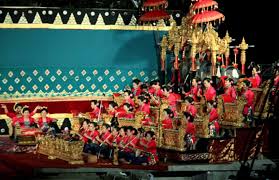
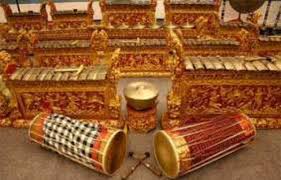
Gong Kebyar is a style of Balinese gamelan music that emerged in the early 20th century, specifically around 1915 in North Bali’s Buleleng region, with villages like Jagaraga and Bungkulan credited as its birthplace. The term “kebyar” translates to “to flare up” or “burst open,” reflecting the music’s explosive tempo changes, dynamic rhythms, and vibrant energy. Unlike its predecessor, the Gong Gede, Gong Kebyar uses a simplified ensemble with fewer instruments, emphasizing fast-paced, syncopated patterns and the five-tone pelog selisir scale (tones 1, 2, 3, 5, and 6 of the seven-tone pelog scale). Its instruments, including gongs, metallophones, drums, and cymbals, create a rich, layered sound that is both ceremonial and performative, often accompanying sacred dances and rituals like temple ceremonies and weddings.
The Gong Kebyar Bali game draws inspiration from this tradition, offering players a chance to engage with the music’s unique structure and instruments. By virtualizing the Gong Kebyar ensemble, the game makes this cultural art form accessible to a global audience, bridging the gap between ancient tradition and digital innovation.
Gameplay and Features of the Gong Kebyar Bali Game
The Gong Kebyar Bali game, such as the “Kantil Gong Kebyar” app, provides an immersive experience through a virtual simulation of the Gong Kebyar ensemble. Players can tap their phone screens to play instruments like the gong, gangsa (metallophone), and ceng-ceng (cymbals), with high-quality sound reproduction that mimics the real instruments. The game’s interface is designed to be intuitive, allowing users to feel as though they are part of a Balinese gamelan orchestra.
Key features include:
- Virtual Gong Kebyar: Players can interact with a realistic simulation of the ensemble, tapping to produce sounds that replicate the dynamic and crisp tones of Gong Kebyar instruments.
- Learning Mode: Interactive tutorials and exercises guide beginners through simple melodies and traditional Balinese songs, making the game accessible to those unfamiliar with gamelan music.
- Music Library: A collection of authentic Balinese compositions allows players to listen to and learn from Gong Kebyar pieces, showcasing the genre’s diversity.
- Community Engagement: The game offers forums and chat rooms where players can connect with other music enthusiasts, share tips, and discuss Balinese culture.
- Recording and Sharing: Users can record their performances and share them with friends or online communities, fostering collaboration and feedback.
These features make the Gong Kebyar Bali game both educational and entertaining, appealing to music lovers, cultural enthusiasts, and musicians alike.
Cultural Significance of Gong Kebyar
The Gong Kebyar is more than just music; it is a cultural expression deeply tied to Balinese identity. Emerging during a period of Dutch colonial influence, Gong Kebyar symbolized innovation and resilience, with its first public performance documented at a 1915 competition in Jagaraga. By 1925, the genre reached new heights with I Ketut Mario’s creation of the Kebyar Duduk dance, a dynamic performance that complemented the music’s rapid tempo. The Gong Kebyar Bali game captures this spirit by allowing players to explore the music’s historical and cultural context through interactive play.
In Bali, Gong Kebyar is performed by village-based groups called sekaha, where musicians dedicate evenings to practice at community centers known as balai banjar. These performances are integral to Hindu ceremonies, temple festivals, and competitions like the Bali Arts Festival, where groups showcase original arrangements and choreography. The game reflects this communal aspect by encouraging players to connect with others, mirroring the collaborative nature of a sekaha.
Preserving Tradition Through Technology
The Gong Kebyar Bali game plays a vital role in preserving Balinese musical heritage. As globalization introduces new musical influences, traditional arts like Gong Kebyar risk fading among younger generations. By offering an engaging digital platform, the game introduces the music to a broader audience, including those outside Bali. Its learning mode and music library educate players about the pelog scale, kotekan (interlocking rhythmic patterns), and the instruments’ unique timbres, fostering appreciation for the art form.
Moreover, the game’s accessibility ensures that Gong Kebyar remains relevant in a digital age. Players can experiment with compositions, much like Balinese musicians who continually innovate within the genre. This aligns with the tradition’s ethos of evolution, as Gong Kebyar groups historically adapted older pieces to create new works. The app’s recording feature also encourages creativity, allowing users to craft and share their own Gong Kebyar-inspired music.
Challenges and Opportunities
While the Gong Kebyar Bali game is a powerful tool for cultural preservation, it faces challenges. The complexity of Gong Kebyar’s interlocking patterns and non-Western scales may be difficult for beginners to grasp, potentially limiting its appeal. Additionally, the game must balance authenticity with user-friendliness to avoid oversimplifying the music’s depth. Developers can address this by expanding tutorials and incorporating more advanced compositions for experienced players.
The game also presents opportunities for cultural exchange. By connecting players globally, it fosters a community that celebrates Balinese music while encouraging cross-cultural collaborations. Future updates could include virtual reality elements, allowing players to experience a Gong Kebyar performance in a simulated balai banjar, further immersing them in Bali’s cultural landscape.
Conclusion
The Gong Kebyar Bali game is a testament to the enduring relevance of Balinese music in a modern context. By blending the explosive energy of Gong Kebyar with interactive technology, it offers players a chance to engage with a centuries-old tradition in a new way. Through its educational features, community-building tools, and authentic sound design, the game not only entertains but also preserves and promotes Balinese cultural heritage. As players tap their screens to the rhythms of the gong and ceng-ceng, they become part of a living tradition, ensuring that Gong Kebyar continues to flare up and captivate audiences worldwide.