
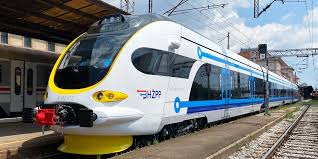
Electric Trains
Electric Trains is a captivating arcade train simulator that blends realism with fast-paced, accessible gameplay. Developed by Evgeny Kolesnikov (under the pseudonym Zhenya), this interactive game immerses players in the role of a train conductor navigating complex rail networks. Available on platforms like Google Play, the App Store, and PC via sites like BrightestGames.com, Electric Trains has garnered praise for its intuitive controls, realistic graphics, and engaging missions. This article explores the game’s origins, mechanics, appeal, educational value, and cultural impact, highlighting why it stands out in the train simulation genre.
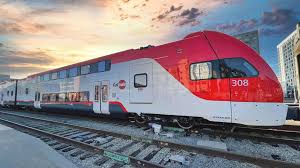
Origins and Development
Launched around 2020, Electric Trains was designed to offer a dynamic alternative to traditional train simulators, which often emphasize slow-paced realism. Kolesnikov aimed to create a game where missions take 10–20 minutes, balancing accessibility with challenge. The game has evolved through consistent updates, with a Pro version introduced to offer an ad-free experience. Available on Android, iOS, and PC (via standalone and WebGL versions), it supports 12 languages, including English, Chinese, and Russian, broadening its global reach. Community feedback, shared on platforms like itch.io and Google Play, has driven updates, such as new trains, maps, and free play modes.
Gameplay and Mechanics
Electric Trains offers two primary modes: missions and free play. The missions mode features 24 levels of increasing difficulty, tasking players with transporting passengers, coupling freight cars, or managing complex rail operations like hump yard sorting. Each mission tests skills in train control, requiring players to operate railroad switches and adhere to speed limits to avoid derailments. For example, players may need to deliver 60 freight cars or stop a runaway train, adding variety to the gameplay. The free play mode, unlocked after completing 20 missions, allows players to explore six maps—featuring settings like autumn forests or suburbs—and experiment with train configurations.
The game’s intuitive controls are a highlight, using simple touch or keyboard inputs to accelerate, brake, and switch tracks. Players manage train operations in a third-person view, with suggestions for a first-person cab view noted in community feedback. The realistic graphics, built with Unity WebGL, bring tracks, stations, and trains to life, enhanced by details like tunnels and railway crossings. However, some players note issues, such as signal indicators obstructing the view or derailments requiring mission restarts, though updates have addressed concerns like adjustable signal displays.
Why Electric Trains Appeals
Electric Trains strikes a balance between accessibility and depth, appealing to both casual players and train enthusiasts. Its arcade style makes it less intimidating than hardcore train simulators like Train Simulator Classic, while still offering strategic challenges. The interactive nature of controlling railroad switches and navigating heavy traffic keeps gameplay dynamic, with each mission introducing new mechanics, such as coupling freight cars or outrunning rival trains. The free play mode, with its relaxing exploration of scenic maps, contrasts the high-stakes missions, catering to diverse playstyles.
The game’s realistic graphics and detailed train models, including 22 unique locomotives, captivate players. Community feedback praises additions like traffic and tunnels, which enhance immersion. However, some players report frustrations, such as other trains blocking paths or battery consumption on mobile devices, though developers have responded with optimizations and refueling options at sidings. The Pro version eliminates ads, improving the experience for dedicated players.
Educational and Cognitive Benefits
While primarily a game, Electric Trains offers subtle educational value. It fosters problem-solving skills as players strategize to avoid collisions and meet deadlines. The game introduces basic railway concepts, such as railroad switches and signaling, making it an engaging tool for learning about train operations. For younger players, it builds spatial reasoning by requiring precise navigation of complex tracks. The need to manage speed and anticipate traffic also hones decision-making and time management. In classrooms, Electric Trains could complement lessons on transportation or physics, offering a hands-on way to explore rail mechanics.
Cultural Impact and Community
Electric Trains has cultivated a passionate community, particularly among train enthusiasts. On platforms like itch.io, players share feedback, suggesting features like Japanese bullet trains or urban maps with city buildings. The developer’s responsiveness—addressing issues like signal placement or proposing new missions—fosters a collaborative atmosphere. Social media and forums highlight the game’s appeal, with players praising its detailed trains and dynamic gameplay. The game’s cultural footprint is modest but growing, with over 95,000 plays reported on Miniplay.com and strong reviews on Google Play.
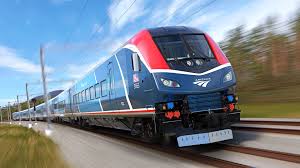
The game’s focus on electric trains taps into a niche but dedicated audience of railfans, though limitations like a 1520mm track width restrict certain train types, such as Japanese models. Its accessibility—free on mobile with a low-cost Pro version—ensures broad appeal, while regular updates keep the community engaged. Players express nostalgia for the game, with some returning after years to find new maps and trains, reflecting its lasting charm.
Conclusion
Electric Trains is a standout in the train simulation genre, blending arcade excitement with realistic graphics and intuitive controls. Its diverse missions, from transporting passengers to managing freight cars, offer endless replayability, while the free play mode invites exploration. Despite minor issues like derailments or signal placement, the game’s responsive developer and vibrant community ensure continuous improvement. For train enthusiasts and casual gamers alike, Electric Trains delivers a thrilling, interactive experience that celebrates the art of railroading. As it continues to evolve with new trains and maps, this arcade train simulator remains a track worth riding.