The Legacy and Impact of Delta Force in Military and Gaming
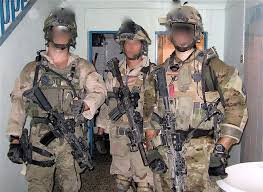
The term Delta Force carries a dual legacy, representing both an elite real-world military unit and a cultural phenomenon in the realm of video games. Officially known as the 1st Special Forces Operational Detachment-Delta (1st SFOD-D), Delta Force is one of the most secretive and highly trained special operations units in the United States military. Simultaneously, the Delta Force name has become synonymous with a groundbreaking video game series that redefined the tactical shooter genre. This article explores the origins, significance, and lasting influence of Delta Force in both its military and gaming contexts, highlighting its impact on modern warfare and digital entertainment.
The Origins of Delta Force: A Military Elite
Delta Force was established in 1977 by Colonel Charles Beckwith, a visionary officer who sought to create a counterterrorism unit capable of addressing the growing threat of global terrorism. Inspired by the British Special Air Service (SAS), Beckwith envisioned a force that combined extreme physical endurance, advanced combat skills, and unparalleled adaptability. The unit was designed to operate in small, highly skilled teams, specializing in hostage rescue, counterterrorism, and direct action missions.
Based at Fort Bragg, North Carolina, Delta Force recruits primarily from other elite units, such as the Green Berets and Army Rangers. Its selection process is notoriously grueling, with candidates undergoing months of physical and psychological tests to ensure only the best are chosen. Once selected, operators train in close-quarters combat, sniper operations, and unconventional warfare, making them some of the most versatile soldiers in the world.
Delta Force gained public attention through high-profile operations like Operation Eagle Claw (1980), an attempted rescue of American hostages in Iran, and later missions in Iraq and Afghanistan. Despite its secrecy, the unit’s reputation for precision and lethality has made it a cornerstone of U.S. special operations.
Delta Force in Popular Culture
The mystique of Delta Force has made it a fixture in popular culture, appearing in films, books, and television. Movies like Black Hawk Down (2001) dramatized the unit’s role in the 1993 Battle of Mogadishu, cementing its image as a symbol of elite military prowess. This cultural prominence naturally extended to the gaming industry, where the Delta Force name became a household term thanks to a pioneering video game series.
The Delta Force Video Game Series: A Gaming Revolution
Launched in 1998 by NovaLogic, the Delta Force video game series brought tactical first-person shooters to a mainstream audience. At a time when games like Doom and Quake dominated with fast-paced, arcade-style combat, Delta Force introduced a slower, more strategic approach. Set in expansive, open-world environments, the game emphasized realism, teamwork, and tactical decision-making, mirroring the real-world unit’s ethos.
The original Delta Force game stood out for its innovative features. Players could engage in large-scale multiplayer battles, with maps supporting up to 32 players—a significant achievement for the era. The game’s voxel-based graphics allowed for vast terrains, giving players the freedom to approach missions creatively, whether through stealth, sniper tactics, or direct assaults. Missions were inspired by real-world conflicts, such as operations in Somalia and the Middle East, adding a layer of authenticity that resonated with players.
Subsequent titles, such as Delta Force 2 (1999) and Delta Force: Black Hawk Down (2003), built on this foundation. Black Hawk Down, in particular, was a commercial and critical success, capitalizing on the popularity of the film. It introduced improved graphics, more complex missions, and a focus on urban warfare, reflecting the evolving nature of modern conflicts. The series also pioneered online multiplayer gaming, with NovaWorld servers fostering a global community of players.
The Influence of Delta Force on Tactical Shooters
The Delta Force series laid the groundwork for the modern tactical shooter genre. Its emphasis on realism and strategy influenced later titles like Tom Clancy’s Rainbow Six, Ghost Recon, and Call of Duty. By prioritizing team-based gameplay and mission planning, Delta Force showed that shooters could be more than just run-and-gun experiences. Features like sniper mechanics, vehicle usage, and large-scale maps became staples of the genre, shaping how developers approached military-themed games.
Moreover, Delta Force helped bridge the gap between gaming and military culture. Its attention to authentic weapons, tactics, and scenarios appealed to players interested in military history and operations. The series also inspired a generation of gamers to explore careers in the military or game development, blurring the lines between virtual and real-world heroism.
The Modern Legacy of Delta Force
In the military realm, Delta Force remains a critical asset in global counterterrorism efforts. Its operations in Syria, Iraq, and other conflict zones demonstrate its ongoing relevance. The unit’s ability to adapt to emerging threats, such as cyber warfare and drone technology, ensures it remains at the forefront of special operations.
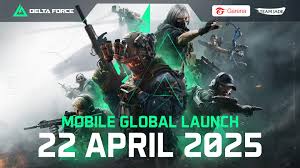
In gaming, the Delta Force series has seen a revival of interest. Recent remakes and spiritual successors, such as Delta Force: Hawk Ops (2024), aim to modernize the franchise with updated graphics, battle royale modes, and cross-platform play. These efforts reflect the enduring appeal of the Delta Force name, even as the gaming industry evolves.
Conclusion
Delta Force represents a unique intersection of military excellence and gaming innovation. As a real-world unit, it embodies the pinnacle of special operations, executing missions that shape global security. As a video game series, it revolutionized the tactical shooter genre, offering players a taste of strategic combat in virtual battlefields. Together, these two facets of Delta Force highlight the enduring fascination with elite warriors and the power of interactive storytelling. Whether on the battlefield or the screen, Delta Force continues to inspire awe and respect, proving that its legacy is as resilient as the operators and gamers who carry its name.