

Decor Life: A Creative Journey in Home Design
In the vibrant world of mobile gaming, Decor Life stands out as a captivating interior design simulation that lets players unleash their creativity without the constraints of real-world renovation. Developed by SayGames and released in 2022, this casual game has attracted a global audience of design enthusiasts with its relaxing gameplay, diverse furniture options, and unique approach to home decoration. Available on iOS, Android, and web browsers, Decor Life offers a stress-free environment where players can transform virtual spaces into personalized masterpieces. This article explores the game’s origins, mechanics, appeal, and impact, highlighting why it’s a go-to for aspiring designers.
Origins and Concept
Decor Life emerged from SayGames’ portfolio of addictive casual games, known for titles like Johnny Trigger and Sand Balls. Launched on July 4, 2022, the game taps into the growing popularity of home design games, offering a digital canvas for renovation without the mess or expense of real-life projects. Inspired by games like Unpacking, Decor Life focuses on the joy of organizing and decorating, appealing to players who dream of crafting their ideal homes. Its user-friendly interface and vibrant graphics make it accessible to all ages, from kids exploring design concepts to adults seeking a creative escape. The game’s premise is simple: transform unrenovated rooms into stylish spaces through sorting, unboxing, and arranging items, all while embracing personal style.
Gameplay Mechanics
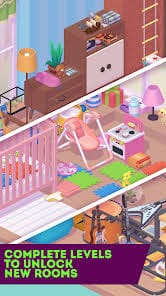
Decor Life guides players through a complete renovation process, from clearing clutter to placing decorative items. Each level begins with an unrenovated room filled with miscellaneous objects. Players start by sorting these items into themed boxes or recycling bins, mimicking real-world decluttering. Next, they select home design options, such as flooring, wall treatments, and furniture, from a vast catalog. The unboxing phase adds an element of surprise, as players unpack mystery boxes containing unique items like drum kits, safes, or still-life paintings, challenging their space planning skills to find the perfect spot for each.
The game offers three modes: Play, Sandbox, and Cleaning. In Play mode, players complete levels by unpacking and arranging items to clear a room, earning rewards like gems for in-game purchases. Sandbox mode is a free-form experience, allowing players to design without objectives, ideal for experimenting with color schemes and layouts. Cleaning mode focuses on organizing clutter, emphasizing tidiness. Unlike many design games, Decor Life has no strict rules or client demands—there are no wrong answers, and players judge their success based on personal satisfaction. A non-linear map lets players choose rooms to renovate in any order, enhancing creative freedom.
Appeal and Player Experience
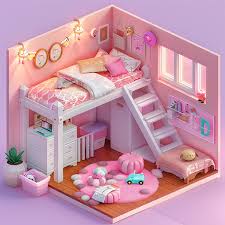
Decor Life’s charm lies in its relaxing gameplay and emphasis on creative freedom. The absence of time limits or rigid scoring systems creates a pressure-free environment, perfect for players who want to explore interior design at their own pace. The game’s calming music and colorful, low-poly graphics enhance its soothing vibe, making it a favorite for unwinding. Players can experiment with styles like modern minimalism or rustic charm, using a wide range of furniture options and decorative items to craft spaces that reflect their personal style.
However, the game has drawbacks. Some players report frequent ads that disrupt gameplay, with one review noting interruptions every 30 seconds. Others mention limitations, like the inability to rotate items or move characters that block the view, which can hinder precise arranging. Despite these issues, the game’s smooth performance and user-friendly interface earn praise, with many appreciating its accurate depiction of home decoration processes. The unboxing mechanic adds excitement, as players never know what quirky item they’ll discover next, keeping each level fresh.
Educational and Social Impact
Decor Life offers more than entertainment—it’s a platform for learning interior design principles. Players explore color theory, space planning, and the balance of aesthetics and functionality, gaining insights applicable to real-world renovation. For younger players, the game fosters organizing skills and creativity, while adults enjoy experimenting with design concepts without financial risk. The game’s community aspect allows players to share designs, exchange tips, and draw inspiration, creating a social hub for design enthusiasts.
In educational settings, Decor Life can introduce concepts like spatial awareness and aesthetic harmony. Its casual game format makes it an engaging tool for teaching problem-solving through trial and error. However, parents should note potential in-game purchases and data-sharing practices, as the app collects user information for targeted ads, raising privacy concerns for younger players.
Cultural Footprint and Reception
Since its release, Decor Life has built a dedicated following, with players sharing creations on platforms like Reddit, where some have noted Easter eggs like a Gravity Falls journal. The game’s community discusses challenges, such as repetitive room designs or glitches, but also celebrates its relaxing gameplay. Reviews are mixed: some praise its fun and creative freedom, while others criticize ad frequency and limited customization options. Despite this, Decor Life remains a standout in the home design games genre, with over 10 million downloads reported by 2025.
Conclusion
Decor Life is a delightful escape for anyone passionate about home design. Its blend of sorting, unboxing, and arranging creates an immersive renovation experience that’s both fun and educational. By offering creative freedom and a user-friendly interface, it appeals to design enthusiasts of all skill levels. While ads and minor gameplay limitations exist, the game’s relaxing gameplay and vast furniture options make it a compelling choice. Whether you’re crafting a cozy bedroom or a sleek kitchen, Decor Life invites you to transform virtual spaces into reflections of your personal style, proving that home decoration can be as rewarding as it is entertaining.