
Cell to Singularity v36.48 MOD APK [Free Shopping/Unlock/Menu]
In the realm of idle games, Cell to Singularity: Evolution Never Ends stands out as a captivating blend of entertainment and education. Developed by Computer Lunch in 2018, this clicker game invites players to explore the grand narrative of evolution, from the humble origins of a single-cell organism to a civilization teetering on the edge of a technological singularity. With its engaging mechanics, stunning visuals, and scientific depth, Cell to Singularity has become a favorite for players who enjoy science-based games. This article delves into the game’s origins, gameplay, educational value, and enduring appeal.
Origins and Concept
Cell to Singularity began development in 2017, inspired by co-founder Andrew Garrahan’s love for nature documentaries and the incremental game genre. Released initially in early access on Android in 2018, followed by iOS and Steam, the game left early access in November 2021. Its premise is simple yet profound: simulate the evolution of life on Earth, from the primordial soup to human civilization and beyond. The game’s tech tree, reminiscent of 4X strategy games, maps out key milestones like the extinction of dinosaurs, the discovery of fire, and the Industrial Revolution, offering a scientifically accurate journey through time.
The game introduces players to Semblance, an AI character that guides them through a simulation of evolution. By tapping the screen, players generate Entropy, the game’s primary currency, which fuels the creation of lifeforms and technological advancements. This idle game mechanic ensures accessibility, making it easy for players to progress whether actively clicking or leaving the game idle.
Gameplay Mechanics
Cell to Singularity is a science game where players start as a single-cell organism in a primordial Earth, depicted with beautiful 3D habitats. Tapping earns Entropy, used to purchase generators (representing lifeforms like prokaryotes, fish, reptiles, and humans) and upgrades (like DNA, RNA, or the ozone layer). These generators produce Entropy passively, allowing progress even when offline. As players advance, they unlock Ideas, a secondary currency earned after developing apes, which fuels human civilization advancements like the Stone Age or Information Age.
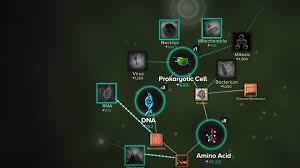
The game’s tech tree is its centerpiece, sprawling across biological, geological, and technological milestones. Players can explore side simulations like Mesozoic Valley, a dinosaur-focused mode unlocked by tapping a fossil, or The Beyond, an astronomy-themed expansion featuring planets and stars. In Mesozoic Valley, players earn Fossil Points to unlock dinosaurs like Archosaur and collect Trait Cards to automate production. The Beyond starts with the Sun and progresses to Alpha Centauri, incorporating data inspired by the Webb Telescope.
Reaching the Singularity triggers a dramatic simulation reset, introducing Metabits, a prestige currency used to enhance simulation speed via the Reality Engine. Subsequent resets are optional, allowing players to accelerate progress. The game also features Darwinium, a premium currency for boosts, earned through achievements or purchases, though the game remains playable without spending.
Educational Value
Cell to Singularity excels as an educational tool, weaving scientific facts into gameplay. Each generator and upgrade includes a blurb explaining its role in evolution or science, from the formation of amino acids to the impact of the Industrial Revolution. This makes it a favorite among STEM enthusiasts and educators. The game’s Mesozoic Valley teaches about dinosaurs and the Mesozoic Era, while The Beyond explores astronomy, covering planets, moons, and interstellar objects. Players learn about evolution, natural history, and speculative science fiction, such as the technological singularity—a point where AI surpasses human intelligence.
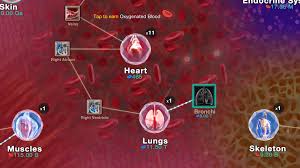
In classrooms, Cell to Singularity serves as a dynamic way to teach evolution and science. Its bite-sized facts engage students without overwhelming them, while the tech tree visualizes complex processes like DNA formation or human civilization milestones. Parents appreciate its screen-based yet informative nature, making learning feel like play.
Appeal and Community
The game’s addictive yet relaxed pace suits both casual players and science enthusiasts. Its beautiful 3D habitats and epic classical soundtrack enhance immersion, while regular updates, like the Reality Reboot expansion, keep content fresh. Players can participate in events like Cryptids, adding variety. The game’s accessibility—free on iOS, Android, Steam, and web browsers—ensures broad reach, though some criticize Darwinium prompts as intrusive.
The Cell to Singularity community thrives on Discord, Reddit, and Steam forums, where players share strategies and discuss updates. Reviews praise its educational depth and replayability, with an 89% positive rating from 23,742 Steam reviews. However, some note slow late-game progress, particularly in the Martian phase, and occasional ad reliance.
Cultural Impact and Future
Cell to Singularity has carved a niche in the idle game genre, blending science and entertainment. Its New York City-based developers, Computer Lunch, showcased it at events like the NYC Video Game Festival, highlighting its cultural footprint. The game’s speculative dive into the technological singularity sparks discussions about AI and humanity’s future, resonating with sci-fi fans.
As a science-based game, it bridges entertainment and education, appealing to players who enjoy clicker games with substance. Its Mesozoic Valley and The Beyond expansions, along with ongoing updates, ensure longevity. Whether you’re a STEM student or a casual gamer, Cell to Singularity offers a mesmerizing journey through evolution, proving that a few clicks can unlock the universe’s secrets.