

Bus Simulator Indonesia
In the realm of mobile simulation games, Bus Simulator Indonesia (BUSSID), developed by Maleo, stands out as a vibrant and authentic experience that transports players to the bustling roads of Indonesia. Released in 2017, this game has garnered a massive following, particularly in Indonesia, India, and other Asian countries, thanks to its immersive 3D graphics, realistic gameplay, and deep cultural ties. Combining bus driving simulation with a celebration of Indonesian culture, BUSSID offers a unique blend of entertainment and education. This article explores the game’s origins, mechanics, cultural significance, and why it remains a top choice for simulation enthusiasts in 2025.

Origins and Evolution
Bus Simulator Indonesia was crafted by Maleo, a small Indonesian studio, with the goal of replicating the life of a bus driver in Indonesia. Launched on March 27, 2017, BUSSID quickly gained traction for its authentic portrayal of Indonesian cities, landmarks, and traffic conditions. Unlike many simulation games, BUSSID emphasizes local flavor, incorporating elements like the iconic phrase “Om Telolet Om!” (Uncle, honk your horn, uncle!), a cultural phenomenon that went viral globally. Over the years, Maleo has released updates, with version 4.3.4 in 2025 introducing enhanced mods, smoother controls, and expanded customization options.
The game’s evolution includes modded versions like the Bus Simulator Indonesia Mod APK, which offer unlimited money, unlocked buses, and ad-free gameplay, appealing to players seeking premium features without in-app purchases. These mods have boosted its popularity, though they raise concerns about fairness and security.
Gameplay and Mechanics
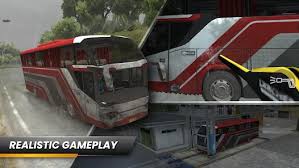
Bus Simulator Indonesia places players in the driver’s seat of a variety of Indonesian buses, from traditional models to modern designs like the Komban Bus or RS New Skyliner. The objective is to navigate realistic routes through cities, villages, and rural roads, picking up passengers and adhering to schedules. The game offers two primary modes: a single-player campaign, where players complete missions to earn money, and a free-roam mode, allowing exploration of Indonesia’s landscapes.
Controls are highly customizable, with options for steering wheel, touch buttons, or tilt controls, catering to different play styles. Multiple camera angles—first-person, third-person, top view, and rearview mirror—enhance immersion, while functional gauges track speed, fuel, and more. Players must manage fuel consumption, obey traffic rules, and handle dynamic weather and day-night cycles, adding realism. The multiplayer convoy mode lets players drive with friends online, fostering a sense of community.
Customization is a standout feature. Players can design their own bus liveries, tweaking colors, patterns, seats, dashboards, and horns. The vehicle mod system allows importing custom 3D models, while mods offer free shopping for accessories like rims and lights. This level of personalization makes each bus a unique reflection of the player’s style.
Cultural Significance
BUSSID is more than a game—it’s a love letter to Indonesian culture. The game meticulously recreates cities, landmarks, and rural scenery, from bustling markets to iconic road signs. The inclusion of “Om Telolet Om!” captures a playful aspect of Indonesian bus culture, where children cheer for drivers to honk melodic horns. Authentic bus designs, traffic patterns, and even street vendors contribute to the game’s immersive atmosphere.
The game resonates deeply in Indonesia and neighboring countries, where bus travel is a common experience. Players from India, Pakistan, and Bangladesh also connect with its depiction of vibrant, chaotic roads, making it a cultural bridge. Online communities on platforms like Google Play and YouTube share mods, liveries, and gameplay tips, fostering a global fanbase.
Strengths and Criticisms
Bus Simulator Indonesia excels in its high-quality graphics, which render detailed environments without lagging on mid-range devices. The intuitive controls and absence of obstructive ads during driving enhance the experience. Players praise the mod support, which adds new buses, maps, and skins, keeping the game fresh. Reviews highlight its realism, with one user noting a six-hour tour felt varied and engaging.
However, the game isn’t flawless. Some players criticize the sound design, particularly repetitive horn and engine noises, which could be more dynamic. Others request additional locations like Bali or Papua to expand the map. Bugs in certain updates, like version 3.7.1, have frustrated users, though Maleo’s commitment to fixes is noted. The modded APKs, while popular, risk malware, and their use can undermine the game’s economy system.
Educational and Entertainment Value
BUSSID offers subtle educational benefits. It teaches time management and navigation skills as players follow schedules and routes. The game’s economy system, where earnings fund upgrades, introduces basic financial planning. For younger players, it fosters patience and focus, while the multiplayer mode encourages teamwork.
As entertainment, BUSSID shines with its replayability. The variety of buses, routes, and mods ensures endless possibilities. Its offline modes make it accessible anywhere, and the 318 MB file size suits devices with limited storage.
Conclusion
Bus Simulator Indonesia is a standout in the simulation genre, blending realistic driving with a vibrant celebration of Indonesian culture. Its customizable buses, authentic environments, and engaging gameplay make it a must-play for fans of simulation and cultural exploration. Despite minor flaws like sound issues or limited locations, Maleo’s ongoing updates and modding community keep BUSSID fresh and exciting in 2025. Whether you’re navigating Jakarta’s traffic or honking “Om Telolet Om!” on a rural road, this game delivers an unforgettable ride.