
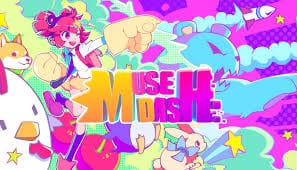
Muse Dash
Muse Dash is a dazzling fusion of rhythm game mechanics and parkour-style action, captivating players with its vibrant anime aesthetic, infectious music, and accessible gameplay. Developed by PeroPeroGames and published by X.D. Network Inc., this indie gem has carved a niche in the gaming world since its debut in 2018. Available on iOS, Android, PC, and Nintendo Switch, Muse Dash blends the precision of music games with the thrill of 2D side-scrolling action, making it a standout for casual and hardcore gamers alike. This article explores the origins, gameplay, appeal, and cultural impact of Muse Dash, highlighting why it remains a beloved title.
Origins and Development
Muse Dash launched on mobile platforms in June 2018, with PC and Nintendo Switch versions following in June 2019. Created by China-based PeroPeroGames, the game draws inspiration from classic rhythm games like Beatmania and action platformers like Jet Set Radio. Its unique premise—combining music-based timing with parkour-inspired combat—sets it apart in a crowded genre. The game’s anime art style, featuring colorful characters and whimsical enemies, reflects the developers’ aim to create a visually engaging experience that complements its eclectic soundtrack. Muse Dash has received widespread praise, earning an 8.5/10 from Nintendo World Report and nominations for “Best Audio” and “Gamer’s Choice” at TapTap’s 2018 Game Awards.
The game’s narrative is lighthearted: players control one of three Muses—Bassist Rin, Buro, or Marija—to restore a world disrupted by a “mirror image code.” This playful premise sets the stage for a journey through fairy-tale-like stages, where players battle adorable monsters to the beat of catchy tunes. With regular updates, including the Muse Plus season pass offering over 500 songs, Muse Dash continues to evolve, keeping its community engaged.
Gameplay Mechanics
Muse Dash is a rhythm game at its core, with players tapping or pressing buttons in sync with music to defeat enemies and avoid obstacles. The gameplay is elegantly simple, using just two buttons (or screen taps on mobile) to control a Muse as she dashes through 2D side-scrolling stages. Enemies and obstacles approach from the right, requiring players to hit ground-based foes with one button or airborne targets with another, all timed to the music’s beat. The game offers two control modes: a left-right setup for beginners and an up-down configuration for advanced players.
Each Muse has unique abilities and health stats, influenced by their chosen costume. For example, Rin’s default outfit emphasizes high health, while Marija’s Little Devil costume heals with perfect hits. Elfins, equippable companions, provide passive buffs, like score boosts or damage reduction, adding strategic depth. Songs come with multiple difficulty levels—Easy, Hard, and Master—catering to novices and experts. Completing songs earns experience points, unlocking new Muses, Elfins, or cosmetic items like illustrations.
The Fever Mode mechanic rewards precise timing: hitting enemies accurately fills a gauge, triggering a high-scoring mode with enhanced visuals. Obstacles like buzzsaws test players’ reflexes, blending parkour elements with rhythm precision. The game’s music library, starting with 62 songs and expandable via Muse Plus, spans genres like J-pop, electronic, and anime OSTs, with tracks tailored to unique enemies and bosses. However, players should note a health warning: those with epilepsy should consult a doctor due to flashing lights.
Why Muse Dash Captivates
Muse Dash shines with its beginner-friendly design and surprising depth. Its two-button controls make it accessible, as even players with limited rhythm skills can progress by dodging obstacles. Yet, high difficulty options and Master-level songs challenge seasoned rhythm game fans, requiring precise timing and quick reflexes. The game’s colorful visuals and exquisite animations create an immersive experience, praised by IGN Japan for its “new sensation 2D action style.”
The music selection is a major draw, with songs like those from Alien Stage attracting diverse audiences. The Muse Plus pass, while occasionally plagued by purchase bugs on mobile, unlocks a vast library, ensuring long-term replayability. The game’s cute aesthetic, featuring adorable heroines and quirky enemies, appeals to fans of anime and kawaii culture, while its humor and charm keep players engaged. Kotaku lauded its simplicity, calling it “sweeter than most rhythm games.”
Muse Dash is also highly accessible, with a low file size (~600MB) and support for multiple languages, including Japanese, English, and French. It runs smoothly on modest devices, though mobile players report occasional issues with cloud saves and DLC purchases. The Nintendo Switch version, priced at $30 with all tracks included, avoids these issues, making it a popular choice.
Educational and Cognitive Benefits
While primarily a rhythm game, Muse Dash offers cognitive perks. It enhances hand-eye coordination through timed inputs and improves reaction times as players navigate fast-paced stages. The game encourages pattern recognition, as players learn to anticipate enemy waves based on musical cues. For younger players, it fosters focus and perseverance, as mastering harder difficulties requires practice and patience.
In educational settings, Muse Dash can be a fun tool for teaching timing and coordination, though its mature imagery (noted on Steam) suggests parental guidance for younger audiences. The game’s leveling system, where experience points unlock new content, introduces basic progression mechanics, teaching goal-setting and reward anticipation.
Cultural Impact and Community
Muse Dash has cultivated a passionate fanbase, evident in active communities on Discord and the Muse Dash Wiki. Players share tips, discuss favorite songs, and celebrate updates, like the July 2025 Rhythm Master collaboration pack. The game’s social media presence, with accounts like @MuseDash_EN on X, keeps fans informed about new content. Its nominations at TapTap’s 2018 Game Awards and positive reviews from outlets like POCKET GAMER highlight its cultural footprint.

The game’s anime-inspired aesthetic resonates with global fans of kawaii culture, while its diverse soundtrack appeals to music enthusiasts. However, some players criticize mobile-specific issues, like delayed hit sounds or cloud save bugs, though the PC and Switch versions are praised for smoother performance.
Conclusion
Muse Dash is a vibrant celebration of rhythm and parkour, blending accessibility with depth to create an unforgettable experience. Its cute heroines, dynamic soundtrack, and engaging gameplay make it a standout in the rhythm game genre. Whether you’re tapping to J-pop on mobile or mastering complex beats on Switch, Muse Dash offers a joyful escape into a world of music and monsters. As it continues to grow with new songs and updates, this indie gem proves that rhythm and action can harmonize beautifully, inviting players to dance their way to victory.