

Hidden Object Games Online
Hidden Object Games Online have carved a unique niche in the gaming world, blending sharp observation, puzzle-solving, and storytelling into an addictive experience. These digital treasure hunts challenge players to find cleverly concealed items within intricate scenes, offering a satisfying blend of relaxation and mental stimulation. Popular across demographics, from casual gamers to dedicated puzzle enthusiasts, Hidden Object Games Online thrive on their accessibility, diverse themes, and engaging narratives. This article explores the origins, mechanics, appeal, educational benefits, and cultural impact of Hidden Object Games Online, revealing why they remain a beloved genre in the digital age.
Origins and Evolution
The roots of Hidden Object Games Online trace back to traditional puzzle books like “I Spy” and “Where’s Waldo?”, which captivated readers with vibrant scenes packed with hidden items. The transition to digital formats began in the early 2000s, driven by the rise of casual gaming platforms like Big Fish Games and PopCap. Early titles, such as Mystery Case Files: Huntsville (2005), introduced players to interactive scenes where they searched for objects while unraveling detective-style narratives. The genre exploded with the advent of mobile gaming and browser-based platforms, making Hidden Object Games Online accessible on PCs, tablets, and smartphones.
Today, platforms like CrazyGames, Poki, and Hidden247 offer hundreds of free Hidden Object Games Online, ranging from classic mysteries to fantasy adventures. Mobile apps like June’s Journey and Hidden City have expanded the genre with social features, daily challenges, and rich storylines. The genre’s evolution reflects its adaptability, incorporating 3D graphics, augmented reality, and multiplayer elements to keep players engaged.
Gameplay Mechanics
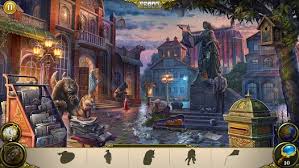
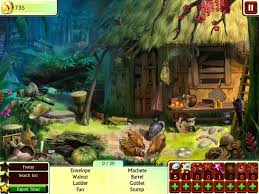
Hidden Object Games Online typically present players with a detailed scene—such as a cluttered attic, enchanted forest, or crime scene—and a list of objects to find. Players click or tap to locate items, earning points or progressing the story. Scenes are often hand-drawn or photorealistic, filled with visual distractions to heighten the challenge. Some games, like Hidden Folks, use minimalist, interactive art, while others, like Criminal Case, integrate forensic puzzles.
The core mechanic is observation, but many games layer additional challenges. Time limits add urgency, requiring players to balance speed and accuracy. Hint systems assist when players are stuck, often recharging through gameplay or microtransactions. Story-driven titles weave hidden object searches into narratives, where finding a key might unlock a door in a mystery plot. Variations include silhouette matching, spotting differences, or assembling fragmented objects.
Multiplayer modes, seen in games like Hidden City, allow players to compete or collaborate, while daily challenges and leaderboards encourage replayability. Mobile versions often include energy systems, limiting playtime unless players purchase boosts, a common monetization strategy. Free browser-based games, like those on Poki, avoid such restrictions, prioritizing accessibility.
Why They Captivate
The appeal of Hidden Object Games Online lies in their simplicity and depth. The straightforward mechanic—find objects in a scene—requires no prior gaming skills, making it welcoming for beginners, children, and older adults. Yet, the increasing complexity of scenes and puzzles keeps seasoned players engaged. The genre’s relaxing gameplay offers a low-stress escape, perfect for unwinding after a long day, as players lose themselves in beautifully crafted worlds.
Narrative immersion is a key draw. Games like June’s Journey transport players to 1920s settings with compelling characters, while Gardenscapes blends hidden object challenges with garden-building. These stories provide context, turning repetitive clicking into a quest for clues or treasures. The visual aesthetics—from gothic mansions to whimsical farms—enhance immersion, with soundtracks and sound effects adding atmosphere.
The genre’s replayability stems from randomized object placements and diverse scenes. Players can revisit favorite games or explore new titles on platforms like CrazyGames, which offer no-download options. Social features, such as gifting hints or competing on leaderboards, foster community, particularly in mobile apps like Pearl’s Peril.
Educational and Cognitive Benefits
Hidden Object Games Online offer more than entertainment; they sharpen cognitive skills. The primary mechanic hones visual perception and attention to detail, as players scan crowded scenes for subtle clues. Research suggests such games improve pattern recognition and spatial awareness, skills valuable in fields like design or medicine. For children, titles like Little Shop of Treasures teach vocabulary and object recognition, as players match words to images.
The genre also boosts problem-solving and critical thinking. Puzzle-based games, like Mystery Manor, require players to connect clues or solve mini-games, fostering logical reasoning. Time management skills develop in timed modes, while patience and perseverance are cultivated when tackling tricky scenes. In educational settings, teachers use Hidden Object Games Online to engage young learners in observation exercises or to introduce themes like history or science through themed scenes.
For older adults, these games provide mental stimulation, potentially delaying cognitive decline. The low-pressure gameplay makes them ideal for seniors, offering a sense of accomplishment without physical demands. Parents appreciate Hidden Object Games Online as screen-time alternatives that combine fun with learning, especially free versions that avoid in-app purchases.
Cultural Impact and Community
Hidden Object Games Online have a vibrant community, with fans sharing tips on forums like Reddit’s r/HiddenObjectGames or Big Fish Games’ community boards. Social media posts on X highlight new releases, with players praising titles like Lost Lands for their storytelling. The genre’s accessibility has made it a staple in casual gaming, with platforms like Poki reporting millions of monthly plays.
The genre’s cultural footprint extends to its inclusivity. Games cater to diverse interests, from mystery fans to fantasy lovers, with titles like Enigmatis appealing to thriller enthusiasts and Farmscapes attracting cozy gamers. Mobile apps have globalized the genre, with translations in multiple languages and culturally specific themes, such as Hidden Objects: Coastal Adventures for beach lovers.
Fan-driven content, like walkthroughs on YouTube or custom scenes on itch.io, reflects the genre’s creativity. Events like seasonal challenges in June’s Journey foster engagement, with players collaborating to unlock rewards. The genre’s presence in educational and therapeutic settings, such as memory care programs, underscores its versatility.
Challenges and Future Directions
While Hidden Object Games Online thrive, they face challenges. Freemium models, with microtransactions for hints or energy, can frustrate players, though free platforms like Hidden247 mitigate this. Repetitive gameplay in some titles risks monotony, but innovations like augmented reality in Hidden City or narrative depth in The Secret Society keep the genre fresh.
The future of Hidden Object Games Online looks promising, with developers experimenting with virtual reality and AI-driven puzzles. Integration with social platforms, like X-based leaderboards, could enhance community engagement. As mobile and browser gaming grow, the genre’s accessibility ensures its relevance.
Conclusion
Hidden Object Games Online offer a delightful blend of observation, storytelling, and mental challenge, captivating players with their immersive worlds and rewarding gameplay. Their accessibility, educational value, and diverse themes make them a standout in casual gaming. From cozy evenings to classroom activities, these digital treasure hunts prove that the joy of discovery never fades. As technology evolves, Hidden Object Games Online will continue to enchant, one hidden clue at a time.