
Cursed house Multiplayer
Cursed House Multiplayer, also known as GMM (Granny Multiplayer Mod), is a gripping first-person horror game that blends cooperative gameplay, puzzle-solving, and survival horror elements. Developed by SUSSY BAKA DEV and available on platforms like Google Play, the App Store, and PC emulators such as BlueStacks, this multiplayer horror title immerses players in a haunted mansion where they must escape the clutches of a menacing grandmother and other threats. With its spooky atmosphere, collaborative mechanics, and challenging puzzles, Cursed House Multiplayer has carved a niche in the horror gaming community. This article explores its origins, gameplay, appeal, challenges, and cultural impact, revealing why it captivates players worldwide.
Origins and Development
Launched around 2024, Cursed House Multiplayer emerged as a fan-inspired evolution of the popular Granny horror game, reimagining its single-player premise as a multiplayer experience. Developed by SUSSY BAKA DEV, with contributions credited to DV for its sequel, the game builds on the escape room concept, where players are trapped in a cursed mansion and must outwit a relentless enemy. Its release on mobile platforms, including Android and iOS, and its compatibility with PC emulators like MEmu and BlueStacks, has made it accessible to a broad audience.
The game’s sequel, Cursed House Multiplayer 2 (GMM2), introduced in February 2025, amplifies the terror with additional enemies like Grandpa and a darker backstory, enhancing the horror narrative. The developers’ focus on mobile gaming reflects a trend toward accessible, social horror experiences, with Cursed House Multiplayer drawing inspiration from titles like Hello Neighbor and Dead by Daylight. Its indie game roots are evident in its raw, community-driven development, with updates shaped by player feedback on platforms like itch.io.
Gameplay Mechanics
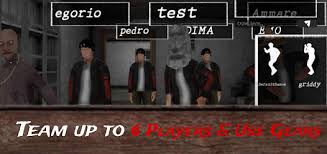
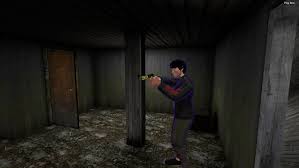
Cursed House Multiplayer thrusts players into a haunted mansion where they must escape within a limited time—typically five days in-game, extendable by completing tasks. Up to six players can join in multiplayer mode, either cooperating to escape or competing to be the first out. The game also offers a single-player mode with an AI-controlled “Granny,” though this mode has faced criticism for bugs. Players navigate a 3D environment filled with puzzles, hidden objects, and bear traps, using tools like keys, shotguns, and fuel to unlock exits like doors, cars, or helicopters.
The gameplay loop involves searching for items while avoiding Granny, who reacts to sounds like creaking floors or dropped objects. Players can hide in wardrobes, coffins, or under beds, but must be cautious, as Granny’s AI behavior can be unpredictable, sometimes killing through walls or getting stuck. Multiplayer adds depth, allowing players to create private rooms or join global lobbies, fostering teamwork or betrayal. Controls are intuitive, with options for crouching, running, and interacting, optimized for mobile touchscreens or PC keyboards via emulators. Graphics are functional but not cutting-edge, prioritizing atmospheric tension over visual polish.
Cursed House Multiplayer 2 introduces Grandpa and Slendrina, increasing the challenge with multiple enemies. Escape animations, like helicopter or boat getaways, enhance the immersive storytelling, though players have suggested more seats in vehicles for a better group escape vibe. The game’s puzzle-solving requires finding items like weapon keys or gasoline, but bugs, such as items not spawning or fuel not filling properly, can hinder progress.
Why It Captivates
The allure of Cursed House Multiplayer lies in its social horror experience. The multiplayer mode fosters camaraderie and tension, as players decide whether to help or outpace their friends. The spooky atmosphere, with creaking floors and eerie sound effects, creates a psychological horror experience that keeps players on edge. The escape room mechanics, requiring teamwork to solve puzzles, appeal to fans of cooperative gameplay, while the competitive option adds replayability.
The game’s accessibility—free on mobile with optional in-app purchases—makes it appealing for casual players. Its indie charm, despite technical flaws, resonates with fans of horror games who enjoy raw, unpolished experiences. The narrative depth, revealed through environmental clues, adds intrigue, though some players find the story vague without adult guidance. The thrill of evading Granny or outsmarting friends in a haunted mansion keeps players hooked, with replayability enhanced by randomized item placements and varied escape routes.
Challenges and Criticisms
Despite its popularity, Cursed House Multiplayer faces technical issues. Players report bugs like Granny killing through walls, items not spawning, or fuel mechanics failing, which disrupt the horror experience. Lag and crashes, especially during intense moments, frustrate players, with some losing progress due to disconnections despite stable internet. In single-player mode, Granny’s AI is prone to glitches, such as getting stuck or stopping unless provoked. Cursed House Multiplayer 2 has similar issues, including duplicated enemies or invisible Grannies, though patches have addressed some concerns.
The ad-heavy mobile version can break immersion, and the controls need refinement, particularly for character movement. Players also suggest improvements like proximity voice chat, better hiding indicators, or seasonal updates to keep the game fresh. Despite these flaws, the game’s potential is widely praised, with fans urging developers to polish the experience.
Educational and Cognitive Benefits
Cursed House Multiplayer offers cognitive benefits, particularly for younger players. The puzzle-solving aspect hones critical thinking and problem-solving skills, as players must strategize to find and use items efficiently. Teamwork in multiplayer mode fosters communication and collaboration, teaching players to coordinate under pressure. The survival horror elements encourage quick decision-making and spatial awareness, as players navigate the 3D environment while avoiding traps and enemies. For children, the game can build resilience, as they learn to handle setbacks like being caught by Granny.
In educational settings, Cursed House Multiplayer could be used to teach strategic planning or cooperative skills, though its horror themes may require parental guidance for younger players. The game’s time management aspect, with its five-day escape limit, introduces basic planning concepts. However, its mature content, including violence, may not suit all audiences, necessitating discretion.
Cultural Impact and Community
Cursed House Multiplayer has cultivated a passionate gaming community, with players sharing strategies on platforms like Reddit, itch.io, and TapTap. Its connection to the Granny fanbase has fueled its popularity, with reviews praising its multiplayer innovation. The game’s indie status and ongoing updates reflect a responsive development cycle, with patches addressing bugs like disappearing enemies or skin resets. Social media buzz, including humorous comments about the spooky atmosphere, highlights its cultural footprint.
The sequel’s release and calls for a potential Granny 3 Multiplayer show sustained interest. While the mobile version dominates, PC players lament the lack of updates, preferring emulators like BlueStacks for smoother gameplay. The game’s blend of horror and social interaction makes it a standout in the indie horror scene, appealing to fans of cooperative and competitive play alike.
Conclusion
Cursed House Multiplayer delivers a thrilling horror experience that balances cooperative gameplay, puzzle-solving, and survival tension. Despite technical hiccups, its haunted mansion setting, multiplayer dynamics, and indie charm make it a compelling choice for horror game enthusiasts. With ongoing improvements and a dedicated community, Cursed House Multiplayer and its sequel are poised to remain staples in the mobile gaming world, proving that even a cursed mansion can be a playground for adventure and teamwork.