

Casual Pong
Casual Pong, a modern take on the iconic Pong game, distills the essence of one of the earliest video games into a simple, accessible experience for players of all ages. Released in various forms across mobile, web, and indie platforms, Casual Pong retains the minimalist charm of the 1972 Atari classic while infusing it with modern touches like vibrant visuals, touch controls, and casual gameplay mechanics. This article explores the origins, mechanics, appeal, educational benefits, and cultural significance of Casual Pong, revealing why this retro-inspired game continues to captivate in the digital age.

Origins and Evolution
Pong, created by Atari’s Nolan Bushnell and released in 1972, is often credited as the game that launched the video game industry. Inspired by table tennis, its simple premise—two paddles, a bouncing ball, and a goal to outscore opponents—captured imaginations worldwide. Casual Pong builds on this legacy, emerging in the 2010s as mobile and web gaming surged. Developers like those behind Pong – Casual Arcade Game (available on Google Play) and browser-based versions on platforms like CrazyGames reimagined Pong for casual players, emphasizing ease of access and quick sessions.
Unlike the original, which required dedicated arcade machines or early consoles, Casual Pong thrives on smartphones, tablets, and browsers. Titles like Pong Game by Peaksel Games add colorful graphics, customizable paddles, and single-player modes against AI, while multiplayer variants allow online or local matches. The evolution reflects a shift toward mobile gaming, where Casual Pong fits perfectly into brief moments of downtime, from commutes to coffee breaks.
Gameplay Mechanics
At its core, Casual Pong mirrors the original Pong’s mechanics: players control a paddle (or two in multiplayer) to hit a ball past an opponent’s paddle, scoring points when the ball reaches the opponent’s side. The paddle moves vertically (or horizontally in some versions) via touch, mouse, or keyboard inputs. The ball’s speed increases with each hit, ramping up the challenge.
Modern Casual Pong games introduce variations to enhance engagement. For example, Pong – Casual Arcade Game offers power-ups like paddle size boosts or speed modifiers, adding strategic depth. Single-player modes pit players against AI with adjustable difficulty, while multiplayer modes support local split-screen or online matches. Some versions, like those on Poki, include retro aesthetics with pixelated graphics, while others use sleek, neon visuals for a modern feel. Games like Table Tennis Touch incorporate spin mechanics, blending Casual Pong with realistic physics.
The simplicity of Casual Pong—no complex controls or steep learning curves—makes it instantly playable. Sessions last minutes, ideal for casual gaming, yet the escalating pace and competitive scoring keep players hooked. Accessibility is a key strength, with HTML5-based versions requiring no downloads and mobile apps running on low-end devices.
Why Casual Pong Appeals
Casual Pong’s enduring appeal lies in its minimalist design and universal accessibility. The game requires no prior gaming experience, making it ideal for children, adults, and seniors alike. Its pick-up-and-play nature suits short bursts of entertainment, perfect for casual gamers who avoid time-intensive titles. The tactile joy of sliding a paddle to intercept a ball, paired with satisfying sound effects like the iconic “beep” of the original, creates a rewarding feedback loop.
The competitive aspect fuels its popularity. Whether playing against AI or a friend, the race to score points sparks friendly rivalries. Multiplayer modes, especially local ones, evoke nostalgia for arcade-era showdowns, while online leaderboards add a modern twist. Variations like Cup Pong, inspired by beer pong, introduce playful themes, broadening the game’s appeal.
Casual Pong also benefits from its retro charm. For older players, it recalls the dawn of video games, while younger audiences discover a timeless mechanic unburdened by modern gaming’s complexity. Its low system requirements ensure it runs on nearly any device, from budget phones to aging laptops, democratizing access.
Educational and Cognitive Benefits
Casual Pong offers surprising cognitive benefits, particularly for young players. The game enhances hand-eye coordination as players track the ball and adjust paddle position in real time. Quick reaction times are honed as the ball’s speed increases, fostering reflex development. For children, versions like Pong for Kids (available on educational platforms) introduce basic spatial awareness and timing skills.
In educational settings, Casual Pong serves as a tool for teaching physics concepts like velocity, angles, and rebound mechanics. Teachers can use it to illustrate trajectory and momentum in a fun, interactive way. The game also promotes focus and perseverance, as players must stay attentive to avoid missing the ball. For younger kids, it builds confidence through achievable challenges, while multiplayer modes teach sportsmanship and teamwork.
Therapeutically, Casual Pong is used in settings like occupational therapy to improve motor skills and coordination, particularly for individuals with developmental delays. Its simplicity makes it accessible for players with varying abilities, while adjustable difficulty levels ensure inclusivity.
Cultural Impact and Community
Casual Pong occupies a unique place in gaming culture, bridging the gap between retro and modern. Its influence is evident in indie games and game jams, where developers create Pong-inspired titles with twists like 3D visuals or multiplayer tournaments. Platforms like itch.io host experimental versions, such as Pong Out, blending Pong with Breakout-style mechanics.
Online communities on Reddit and gaming forums discuss Casual Pong variants, sharing high scores and custom versions. Mobile apps like Pong – Casual Arcade Game have garnered positive reviews for their addictive gameplay, with players praising the balance of nostalgia and innovation. Social media posts on X highlight ongoing enthusiasm, with developers showcasing Pong-inspired projects at events like Ludum Dare.
The game’s cultural footprint extends to education and pop culture. Schools use Casual Pong in coding classes, as its simple mechanics are ideal for teaching game development with tools like Scratch or Unity. References to Pong appear in TV shows and films, cementing its status as a gaming icon.
Modern Relevance and Future
Casual Pong remains relevant in a crowded gaming landscape due to its adaptability. Developers continue to innovate, adding augmented reality modes or integrating Casual Pong into fitness apps, where paddle movement tracks physical activity. Cross-platform support ensures it thrives on iOS, Android, and web browsers, while no-download HTML5 versions make it instantly accessible.
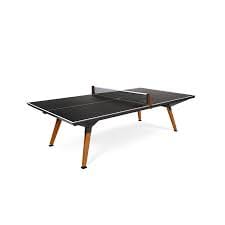
The game’s low barrier to entry and universal appeal ensure its longevity. As mobile gaming grows, Casual Pong caters to players seeking quick, engaging experiences without microtransactions or steep learning curves. Its presence in educational and therapeutic contexts further solidifies its value.
Conclusion
Casual Pong is more than a nostalgic nod to gaming’s roots—it’s a testament to the power of simplicity. By blending retro aesthetics with casual gameplay, it offers a timeless experience that resonates across generations. Whether played on a smartphone during a break or in a classroom to teach physics, Casual Pong delivers joy, challenge, and learning in equal measure. As it evolves with new features and platforms, this classic proves that a paddle, a ball, and a dash of competition are all it takes to keep players coming back for one more point.