

Hack and slash clicker
Hack and slash clicker games combine the visceral thrill of melee combat with the addictive simplicity of idle gaming, creating a unique niche in the gaming world. These games merge the fast-paced, weapon-based action of hack and slash titles with the automated progression of clicker or idle games, appealing to players who crave both instant gratification and long-term strategy. This article explores the origins, mechanics, appeal, and cultural impact of hack and slash clicker games, highlighting why they captivate players across platforms.
Origins and Evolution
The hack and slash genre, rooted in tabletop role-playing games like Dungeons & Dragons, emphasizes melee combat with swords, axes, or other weapons. It evolved through video games like Golden Axe (1989) and Devil May Cry (2001), focusing on real-time battles against hordes of enemies. Meanwhile, clicker games, popularized by titles like Cookie Clicker (2013), introduced players to incremental progression through repetitive clicking or automation. The fusion of these genres emerged in the 2010s as developers sought to blend action RPG elements with the low-effort appeal of idle mechanics.
Games like Hack Slash Crawl (2011) laid early groundwork, offering dungeon crawler experiences with randomized levels and click-based combat. Mobile platforms, particularly Android, accelerated this trend with titles like Smashero and Blade Bound, which integrate hack and slash intensity with clicker automation. Modern hack and slash clicker games, such as Hacking Hero: Hacker Clicker (2023), incorporate thematic twists, like cyber-hacking, while retaining core mechanics. This evolution reflects a demand for accessible yet engaging games that balance action and progression.
Gameplay Mechanics
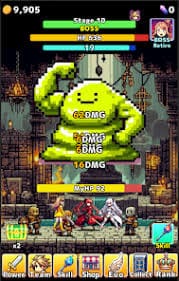
Hack and slash clicker games typically involve controlling a character who battles enemies using melee weapons or spells, with clicker elements automating or amplifying progress. Players actively click or tap to attack, earning resources like currency or experience points. These resources fund upgrades, such as stronger weapons, faster attacks, or automated damage, reducing the need for constant input.
For example, in Smashero, players fight waves of monsters with bows, scythes, or gauntlets, unlocking abilities to enhance survival. Hacking Hero takes a unique approach, where players “hack” digital enemies by tapping, earning cryptocurrencies to upgrade hacking skills or recruit allies. Many games feature RPG elements, like skill trees or character customization, allowing players to tailor their combat style. As players progress, idle mechanics kick in, generating resources offline, making these games ideal for casual play.
The combat system is central, emphasizing real-time action with satisfying feedback—visual effects, sound cues, and enemy defeat animations. Unlike traditional hack and slash games, which require precise timing, clicker variants simplify controls, focusing on rapid taps or automated attacks. This accessibility makes them popular on mobile devices, though PC versions, like Clicker Heroes, offer deeper progression systems.
Why They Captivate
Hack and slash clicker games thrive on their addictive loop of action and reward. The hack and slash component delivers a power fantasy, letting players mow down enemies with ease, while the clicker aspect provides a sense of continuous growth. This dual appeal caters to both adrenaline junkies and players who enjoy watching numbers climb. The simplicity of tapping or clicking lowers the entry barrier, making these games accessible to children and adults alike.
The genre’s replayability is a key draw. Randomized dungeons, as in Hack Slash Crawl, ensure varied experiences, while upgrades and skill trees encourage long-term engagement. Mobile titles like Blade Bound add narrative depth, with stories of fallen kingdoms or epic quests, enhancing immersion. Social features, like leaderboards or co-op modes in Granblue Fantasy: Relink, foster community and competition.
Portability is another strength. Games optimized for Android, such as Immortal Awakening, run smoothly on modest devices, making them ideal for on-the-go play. The no-download nature of HTML5-based titles, like those on CrazyGames, further boosts accessibility.
Educational and Cognitive Benefits
Beyond entertainment, hack and slash clicker games offer cognitive perks. They enhance hand-eye coordination through rapid tapping and improve strategic thinking as players optimize upgrades or skill builds. For younger players, games like Bushido Bear teach pattern recognition, as players draw attack paths to defeat enemies. The resource management aspect, common in titles like Clicker Heroes, introduces basic economic concepts, as players balance spending and saving.
In educational settings, these games can engage students in problem-solving. Teachers might use simplified versions to teach sequencing or prioritization, while parents appreciate their ability to keep kids entertained without complex controls. The genre’s forgiving nature—lacking harsh penalties for mistakes—makes it ideal for casual learning environments.
Cultural Impact and Community
Hack and slash clicker games have a growing presence in gaming culture. Online communities on platforms like Reddit discuss strategies and share progress, particularly for titles like Clicker Heroes. Mobile-focused games, such as Devil May Cry: Peak of Combat, tap into fanbases of established franchises, blending nostalgic hack and slash action with clicker accessibility. Modded versions, like Hack and Slash Clicker MOD APK, offer unlocked features, reflecting a subculture of players seeking enhanced experiences, though legality remains debated.

The genre’s influence extends to indie development, with platforms like itch.io showcasing experimental titles like The Lair, blending hack and slash with clicker mechanics. Posts on X highlight ongoing interest, with developers pitching 2D side-scrollers combining roguelike and hack and slash clicker elements, inspired by Devil May Cry.
Conclusion
Hack and slash clicker games offer a thrilling fusion of melee combat and idle progression, appealing to players seeking both action and relaxation. Their accessibility, replayability, and cognitive benefits make them a versatile addition to the gaming landscape. From mobile hits like Smashero to browser-based classics like Clicker Heroes, these games prove that simple mechanics can deliver profound enjoyment. As developers continue to innovate, blending RPG elements and real-time combat, the genre’s future looks as sharp as a well-honed blade.