
Nuzo and Namia
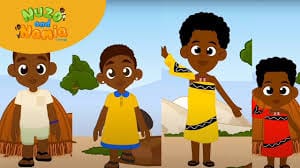
Nuzo and Namia, a vibrant edutainment initiative by Ubongo, Africa’s leading children’s media organization, has captured the hearts of young learners across the continent. Launched in June 2023, this innovative children’s show and its accompanying digital games combine adventure, learning through play, and cultural exploration to promote inclusive education and neurodiversity. Aimed at children aged 6–9, Nuzo and Namia follows the adventures of 7-year-old twins as they embark on magical journeys across Africa, guided by a mystical creature named Bubelang. This article explores the origins, gameplay, educational impact, and cultural significance of Nuzo and Namia’s interactive games, highlighting their role in revolutionizing children’s education.
Origins and Vision
Nuzo and Namia was created by Ubongo, a pan-African non-profit dedicated to delivering fun, accessible, and impactful educational content. The project emerged from a desire to address the challenges faced by neurodivergent children, who are often misunderstood or excluded in traditional educational settings. Ubongo sought to craft a program that celebrates diverse learning styles while emphasizing the universal language of play. The show and its games draw inspiration from African storytelling traditions, blending them with modern digital platforms to create an engaging experience. Available in over 12 languages, Nuzo and Namia ensures accessibility for diverse linguistic audiences, reflecting Ubongo’s commitment to inclusivity.
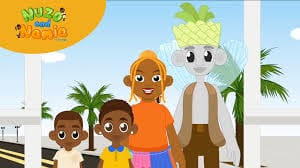
The narrative centers on twins Nuzo and Namia, who discover a magical bookshelf in their late grandmother’s house. This bookshelf transports them to various African countries, where they learn about cultures, build character strengths, and enhance reading and listening comprehension with the help of Bubelang, a magical guide. The games, accessible via the Ubongo PlayRoom app, extend this narrative into interactive experiences, making learning an adventure.
Gameplay and Mechanics
The Nuzo and Namia games, available on the Ubongo PlayRoom app for Android and iOS, offer a range of educational activities tailored for young learners. These games are integrated with videos, audio, and books, creating a multi-platform experience that aligns with Ubongo’s mission to provide a safe digital space for kids. Core features include streaming media (videos, books, audio) and interactive challenges that reinforce the show’s themes. Players engage in puzzle-based tasks, quizzes, and story-driven adventures that mirror the twins’ journeys across Africa.
For example, a game might task players with helping Nuzo and Namia solve a cultural puzzle in Kenya or match traditional greetings from Nigeria, reinforcing reading comprehension and cultural awareness. Bubelang guides players, offering hints and encouragement to build confidence and resilience. The games are designed to be intuitive, with colorful visuals and simple controls that suit young children. Caregivers can access parental content to monitor progress, ensuring a family-friendly experience. The app’s structure allows users to filter content by type, show, or learning outcome, such as problem-solving or empathy.
Educational Impact
Nuzo and Namia’s games are grounded in learning through play, a method proven to enhance engagement and retention. By integrating neurodiversity principles, the games cater to varied learning styles, ensuring no child is left behind. Activities like matching games or story-based challenges develop critical thinking, listening skills, and cultural literacy. For instance, a game about Nima and Chambo fish in Malawi teaches environmental awareness alongside vocabulary.
The games align with school readiness goals, preparing children for academic success while fostering social-emotional skills like appreciating others and handling frustration. Ubongo’s collaboration with the LEGO Foundation’s Kahoot! for All Project emphasizes play-based learning, making the games a valuable tool in classrooms and homes. Teachers use them to supplement lessons on geography or social studies, while parents appreciate the screen-safe environment. However, some activities may require adult guidance for younger players due to text-heavy elements.
Cultural Significance and Appeal
Nuzo and Namia celebrates African cultures, showcasing traditions, languages, and landscapes from countries like Tanzania, South Africa, and Rwanda. This cultural representation resonates with African children, fostering pride and connection, while introducing global audiences to the continent’s diversity. The games amplify this by letting players interact with cultural elements, such as learning greetings or exploring markets, in a fun and engaging way.
The Ubongo PlayRoom app’s accessibility—available for free with optional premium features—ensures broad reach, particularly in underserved communities. Its vibrant animation and relatable characters, like the curious Namia and adventurous Nuzo, captivate kids, while Bubelang’s encouragement promotes self-belief. Social media buzz, including 23,680+ Facebook likes, reflects the games’ popularity, with parents and educators praising their educational value.
Community and Modern Relevance
Nuzo and Namia has sparked a growing community, with fans sharing experiences on platforms like YouTube and Facebook. The games are part of Ubongo’s broader mission, recognized by awards like the 2024 MIP SDG Award for advancing Sustainable Development Goals. Schools across Kenya, Nigeria, and beyond integrate the games into curricula, while families use them to spark discussions about diversity and inclusion. Digital adaptations ensure relevance in a tech-driven world, though some note occasional app glitches.
Conclusion
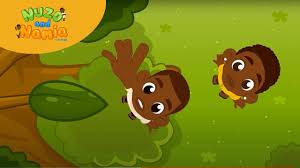
Nuzo and Namia’s games are a groundbreaking blend of edutainment, cultural celebration, and inclusive learning. By guiding young players through African adventures with Nuzo, Namia, and Bubelang, they make education a joyful journey. As Ubongo continues to expand the program’s reach, Nuzo and Namia stands as a beacon of play-based learning, empowering children to embrace their unique strengths and explore the world with curiosity. Whether in a classroom or at home, these games prove that learning can be as exciting as any adventure.