
Crush Kingdom
In the vibrant world of mobile gaming, Crush Kingdom games, led by the iconic Candy Crush Saga, have redefined casual entertainment. Developed by King, a Swedish-British game developer, these titles have captivated millions with their addictive match-3 mechanics, colorful visuals, and accessible gameplay. Since the meteoric rise of Candy Crush Saga in 2012, King has built a portfolio of puzzle games that blend fun, strategy, and social interaction. This article explores the origins, mechanics, cultural impact, and enduring appeal of Crush Kingdom games, highlighting why they remain a cornerstone of modern gaming.
Origins and Rise of King
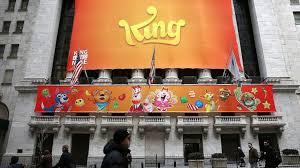
King, founded in 2003 and headquartered in Stockholm and London, initially focused on browser-based games through portals like Yahoo!. Their early title, Candy Crush, was a simple tile-matching game released in 2011. The breakthrough came with Candy Crush Saga, launched on Facebook in April 2012, which introduced the saga model—discrete levels with specific goals, requiring minimal time investment compared to games like FarmVille. Its success, with over 4 million players in weeks, prompted King to pivot to mobile, releasing iOS and Android versions in 2012. By 2014, Candy Crush Saga generated over $493 million in three months, cementing King’s dominance in the freemium market. Acquired by Activision Blizzard in 2016 for $5.9 billion, King continues to innovate, reaching 238 million monthly active users by 2023.
Gameplay Mechanics of Crush Kingdom
Crush Kingdom games, particularly Candy Crush Saga, revolve around match-3 puzzles. Players swap colorful candies on a grid to align three or more of the same type, clearing them to meet level objectives, such as collecting specific candies or reaching a target score within limited moves. Matches of four or more create power-ups like striped candies or wrapped candies, which clear larger board sections. The saga model divides gameplay into levels, each with unique challenges, ensuring progression feels rewarding.
Variants like Candy Crush Soda Saga, Candy Crush Jelly Saga, and Candy Crush Friends Saga introduce twists, such as spreading jelly or battling characters like the Jelly Queen. Candy Crush Solitaire, a newer addition, blends match-3 with card game elements. Features like daily rewards, tournaments, and boosters (e.g., Lollipop Hammer) enhance engagement, though some players criticize the reliance on in-app purchases for progress. The games support offline play and Facebook sync, allowing seamless cross-platform progress.
Why Crush Kingdom Captivates
The appeal of Crush Kingdom lies in its accessibility and depth. The match-3 format is easy to learn, making it ideal for casual gamers, yet escalating difficulty keeps players hooked. King’s use of machine learning and A/B testing fine-tunes level difficulty and booster prompts, ensuring a balance of challenge and reward. For instance, King found that simple purchase buttons work for casual players, while frequent spenders prefer choice-driven upgrades.
The games’ vibrant graphics, playful characters like Tiffi and Mr. Toffee, and cheerful music create a meditative experience. Players describe Candy Crush Saga as “relaxing” and “mentally stimulating,” ideal for unwinding. However, criticisms include excessive pop-ups and pay-to-win mechanics, with some levels requiring boosters costing $8–$15 to pass. Despite this, the freemium model allows free play, with optional purchases for extra lives or boosters.
Social features amplify engagement. Players can share lives, compete on leaderboards, or join events like the All Stars Tournament, offering prizes like a $1,000,000 purse in 2025. The Candy Kingdom narrative, with characters like the Bubblegum Troll, adds charm, making each level a story-driven adventure.
Educational and Cognitive Benefits
Crush Kingdom games offer subtle cognitive benefits. The puzzle-solving nature hones problem-solving skills, requiring players to strategize moves and anticipate outcomes. Pattern recognition and spatial reasoning improve as players align candies to create power-ups. For children, the games reinforce counting and planning, while adults find them a low-stakes way to boost focus and reduce stress. In educational settings, Candy Crush can illustrate concepts like probability or resource management, though its primary appeal remains recreational.
Cultural Impact and Community
Crush Kingdom has left an indelible mark on pop culture. Candy Crush Saga, with over 5 billion downloads and $20 billion in revenue by 2023, is a mobile gaming titan. Its All Stars Tournament and partnerships with brands like Icebox keep it relevant. Online communities on Reddit and Facebook buzz with players sharing strategies and venting about tough levels. The game’s nostalgic appeal, with its fruit levels and classic music, resonates with long-time fans.
However, some players express frustration over glitches, slow performance, or aggressive monetization. Reviews note issues like games closing during group play or boosters expiring due to lag. King’s weekly updates address bugs and add levels, ensuring longevity.
Conclusion
Crush Kingdom games, led by Candy Crush Saga, have transformed mobile gaming with their addictive match-3 mechanics, colorful Candy Kingdom world, and savvy freemium model. King’s focus on accessibility, social features, and data-driven design has sustained a global fanbase, from casual players to competitive tournament enthusiasts. Despite critiques of pay-to-win elements, the games’ charm, cognitive benefits, and cultural impact ensure their place as a modern classic. As King continues to innovate, Crush Kingdom remains a sweet escape, inviting players to match, crush, and conquer one level at a time.