
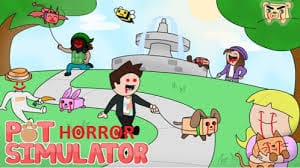
Horror Pets Simulator
Horror pets simulator games combine the nurturing charm of virtual pet games with the spine-chilling thrills of horror genres, creating a unique gaming experience that captivates players with its blend of cute and creepy. Unlike traditional pet simulators like Nintendogs or Petz, which focus on wholesome caregiving, these games introduce psychological horror, surreal narratives, and unsettling atmospheres, transforming adorable companions into sources of dread. This article explores the origins, mechanics, appeal, and cultural impact of horror pets simulator games, highlighting why they’ve become a niche but growing phenomenon.
Origins and Evolution
The roots of horror pets simulator games trace back to the 1990s, when virtual pet games like Tamagotchi and PF Magic’s Petz series popularized digital caregiving. These early titles emphasized feeding, grooming, and playing with virtual pets, laying the groundwork for more experimental takes. The horror twist emerged as developers sought to subvert the genre’s wholesome expectations, drawing inspiration from psychological horror games like Silent Hill and Five Nights at Freddy’s. A pivotal moment came with 2017’s Tattletail, which turned a Furby-like virtual pet into a menacing entity, setting the stage for the subgenre’s growth.
Since then, indie developers have embraced the concept, releasing titles like KinitoPET and Goodnight Meowmie on platforms like itch.io and Steam. These games leverage the familiarity of pet simulation mechanics to create unsettling contrasts, blending nurturing tasks with horror elements like eerie sound design and narrative twists. The subgenre’s rise reflects a broader trend in indie gaming, where developers experiment with familiar formats to deliver fresh, provocative experiences.
Gameplay and Mechanics
Horror pets simulator games typically start with familiar virtual pet tasks: feeding, grooming, or playing with a digital companion. However, these games quickly diverge into horror territory. In Tattletail, players care for a chattering toy while avoiding its predatory “Mama Tattletail,” who hunts if tasks are neglected. Similarly, KinitoPET begins with a cute, animated assistant named Kinito, whose behavior grows erratic, trapping players in a psychological horror narrative that blurs the line between game and reality.
Mechanics often blend simulation with puzzle-solving and survival horror. For example, Goodnight Meowmie combines Tamagotchi-style caregiving with a FNaF-inspired twist, where neglecting the pet triggers creepy consequences. Some games, like Growing My Grandpa!, introduce bizarre premises, tasking players with nurturing a grotesque entity in a lab-like setting. Others, such as Haunted Paws, a co-op horror game, let players control puppies solving puzzles in a haunted mansion to rescue their owner, balancing cute aesthetics with spooky encounters.
These games use horror elements like jump scares, unsettling dialogue, or distorted visuals to create tension. Unlike traditional pet simulators, where pets remain static, horror pets often evolve unpredictably, sometimes turning hostile or revealing dark secrets, keeping players on edge.
Why They Captivate
The appeal of horror pets simulator games lies in their ability to subvert expectations. The contrast between nurturing a seemingly innocent virtual pet and uncovering its sinister nature creates a compelling emotional rollercoaster. Players bond with their digital companions, only to be shocked by twists, such as KinitoPET’s shift from friendly assistant to manipulative entity. This duality taps into the human fascination with the uncanny—things that are familiar yet deeply wrong.
The games’ accessibility also contributes to their popularity. Most are browser-based or available on platforms like itch.io, requiring minimal hardware, making them ideal for casual gamers. Their short playtimes—often under a few hours—suit players seeking quick, intense experiences. The indie nature of these titles allows for creative freedom, resulting in diverse narratives, from Petscop’s surreal, horror-laden exploration of a fictional PlayStation game to Can Your Pet?’s darkly humorous take on pet care.
Educational and Psychological Impact
While primarily entertainment, horror pets simulator games offer subtle cognitive benefits. They encourage problem-solving through puzzles and resource management, as players balance pet care with survival. The psychological horror elements foster emotional resilience, as players confront fear in a safe, controlled environment. For younger audiences, these games can spark discussions about trust and digital interactions, as KinitoPET’s narrative warns of overly trusting virtual entities.
In educational settings, teachers might use these games to engage students in media literacy, analyzing how horror manipulates emotions. However, due to their unsettling themes, they’re best suited for older children or teens with adult guidance, ensuring the horror doesn’t overwhelm.

Cultural Impact and Community
Horror pets simulator games have cultivated a dedicated niche within indie gaming communities. On platforms like Reddit and itch.io, fans share theories about Petscop’s cryptic story or discuss Tattletail’s nostalgic ’90s horror aesthetic. YouTube Let’s Plays, like those for Goodnight Meowmie, amplify their reach, with creators reacting to jump scares and unraveling narratives. The games’ blend of cute and creepy resonates with Gen Z’s love for ironic, subversive content, spawning memes and fan art.
Their cultural footprint extends to inspiring other indie horror titles. Petscop, for instance, influenced the creepypasta and analog horror genres, with its faux PlayStation aesthetic and mysterious narrative. The subgenre’s growth reflects a broader fascination with blending innocence and dread, seen in games like Little Nightmares.
Conclusion
Horror pets simulator games offer a thrilling twist on the virtual pet genre, merging the comfort of caregiving with the unease of psychological horror. By subverting expectations, they deliver unforgettable experiences that linger long after the screen fades. From Tattletail’s menacing toy to Haunted Paws’ spooky puppies, these games prove that even the cutest companions can hide dark secrets. As indie developers continue to innovate, this niche subgenre is poised to grow, inviting players to nurture their virtual pets—and brace for the chills that follow.